Complete Guide to Baking Packaging: Finding the Perfect Containers for Freshness and Presentation
Quality packaging is critical for preserving the integrity of baked goods while enhancing their visual appeal. It serves not only to preserve freshness but also to attract customers and strengthen brand identity. Various materials and design elements play an important role in this process. Understanding how to select the right containers can greatly influence a baker's success. What elements should bakers examine to confirm their packaging fulfills both utilitarian and decorative demands?
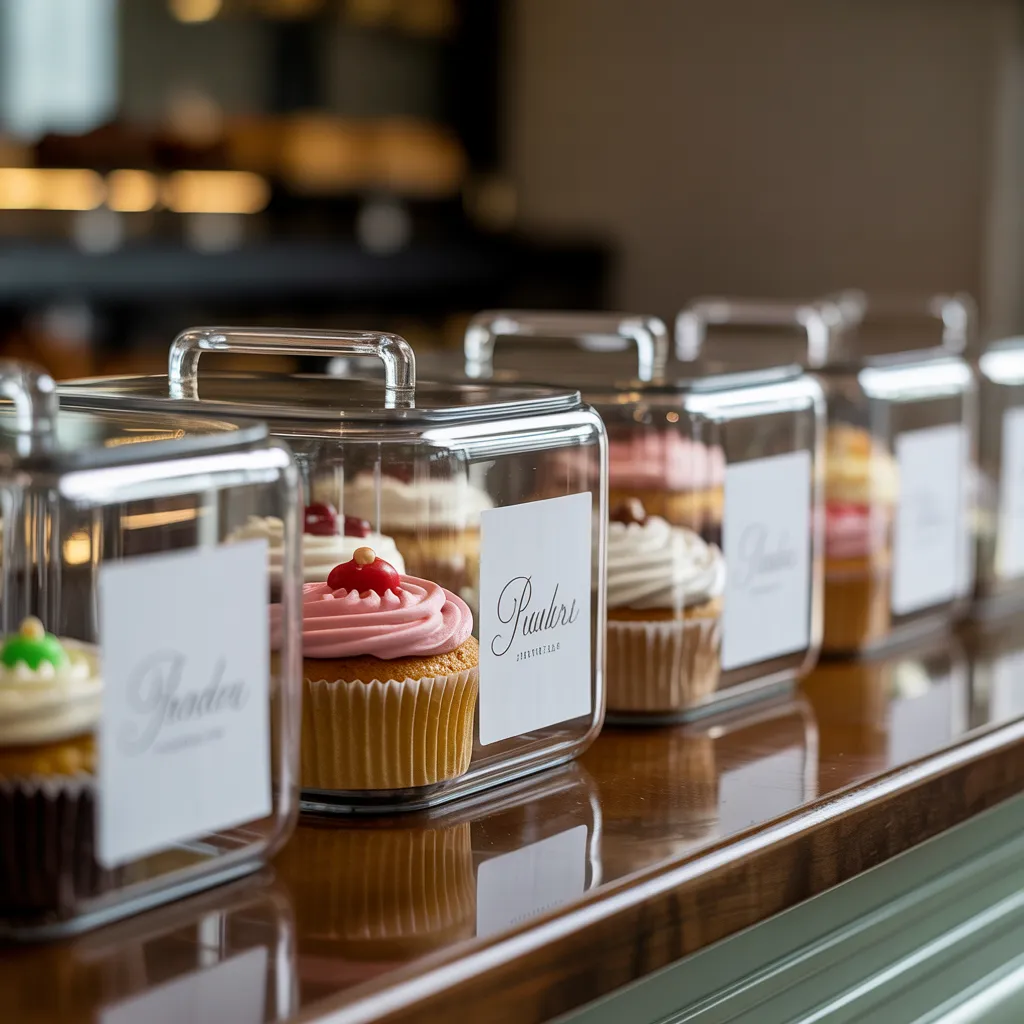
Why Baking Packaging Matters for Freshness and Appeal
When evaluating the performance of baked items, packaging serves a vital function in maintaining freshness and improving visual presentation. The proper packaging not only sustains the quality and freshness of baked items but also draws customers in through its appearance. Freshness is critical; inadequate packaging can lead to staleness or spoilage, reducing the product's overall appeal.
In addition, appealing packaging can communicate brand values and stir emotions, directly impacting purchase behavior. Shape, color, and texture all contribute to the overall quality perception. A professionally designed package can act as a powerful marketing asset, communicating the precision and care behind the freshly baked creations.
In a competitive market, strategic packaging sets a product apart, enhancing its visibility on store shelves. Ultimately, the importance of packaging extends beyond mere functionality; it serves as a fundamental component of the complete consumer experience, ensuring that baked goods are not only fresh but also enticing.
Varieties of Packaging Materials to Keep Your Treats Fresh
With respect to extending the shelf life of baked items, the selection of packaging materials is of paramount importance. Airtight plastic containers provide hermetic seals that preserve moisture content, while various paper packaging options deliver ventilation and an artisanal quality. Knowing the advantages of each option allows bakers to determine the best approach to optimize freshness.
Benefits of Plastic Containers
Plastic containers offer a convenient choice for keeping the freshness of baked goods. The airtight seals on these containers guard against humidity and air contact, which can result in deterioration. Both durable and lightweight, plastic containers are convenient to move and manage, making them well-suited to both residential bakers and professional operations. They come in a wide range of shapes and sizes, suitable for everything from cookies to cakes. Furthermore, several plastic varieties are see-through, enabling appealing displays while letting customers inspect the contents with ease. Reusability is another significant benefit, as these containers can be cleaned and reused. In addition, plastic containers are generally affordable, making them suitable for budget-conscious bakers while guaranteeing that goods stay fresh and attractive.
Paper Packaging Solutions
Many paper packaging alternatives offer efficient solutions for preserving the quality of pastries and confections. Grease-resistant paper is popular for its ability to withstand moisture and grease, sustaining the freshness of items like sweet treats. Wax-coated paper offers like qualities, establishing a shield against air and moisture, while also offering a classic aesthetic. For more substantial items, windowed paper bags permit visibility while securing contents from outside factors. Moreover, kraft paper boxes are durable and eco-friendly, making them an environmentally conscious selection for pies and cupcakes. Each option not only secures freshness but also elevates aesthetics, encouraging customers to enjoy the treats inside. All things considered, selecting the best paper packaging can boost both freshness and visual appeal.
Design Tips to Make Your Treats Pop
Crafting a striking visual concept for bakery packaging can greatly boost the visual appeal of baked goods. To begin, color plays a pivotal role; vibrant hues can attract attention while aligning with the flavor profile or theme of the confections. Using contrasting colors for typography and backdrop promotes legibility and captures attention.
Integrating distinctive shapes and materials can additionally make packaging be more appealing. Specially crafted die-cut boxes or window panels enable consumers to glimpse the treats inside, enhancing desirability.
Typography deserves careful attention; selecting typefaces that embody the organization's personality can significantly shape overall brand impression.
Finally, adding decorative accents like stickers, ribbons, or stamps delivers a distinctive character, elevating the overall aesthetic. These styling methods not only enhance the item's aesthetic quality but also express quality and care, creating a bond with future purchasers.
How to Select the Ideal Box for Your Treats
Selecting the ideal box for bakery items requires close examination of several key factors. To begin, the dimensions of the package should match the number and kind of treats being enclosed. A tight fit prevents movement, which can result in damage. Next, the choice of material is crucial; sturdy materials like corrugated cardboard or plastic ensure protection and preserve freshness.
The box's design also matters, key resource as it needs to enhance the visual appeal of the confections inside. Clear windows can display elegantly decorated treats, while bright hues can capture attention. Additionally, consider the box's ease of assembly and handling; simple designs allow for efficient packing and delivery.
Last but not least, ensure the box is safe for food use, as safety is paramount in food-related packaging. When balancing design, size, material, and functionality, bakers can choose the perfect box that protects their creations while presenting them beautifully.
Green Baking Packaging Choices for Environmentally Aware Bakers
As more bakers place greater emphasis on sustainability, sustainable packaging alternatives are becoming increasingly important. Sustainable materials, such as recycled paper and plant-based plastics, are gaining traction among conscious bakers. Moreover, biodegradable packaging alternatives present a sustainable method of displaying baked goods while cutting down on waste.
Eco-Friendly Material Selections
What makes a baking packaging choice truly sustainable? It copyrights on the materials used and their lifecycle impact. Eco-aware bakers are turning more and more to options crafted from renewable resources, like recycled paper, bamboo, and plant-derived plastics. Not only do these materials decrease fossil fuel dependency, but they also help reduce overall waste. In addition, sustainable packaging should feature a lightweight design to reduce transport emissions and be intended for reuse or recycling. Choosing locally sourced packaging is another avenue bakers can pursue, benefiting community economies and reducing carbon emissions. Ultimately, the goal is to balance functionality with environmental responsibility, ensuring that the packaging preserves freshness without compromising the planet's health. Such mindful choices resonate with eco-conscious consumers, enhancing brand loyalty and awareness.
Eco-Friendly Compostable Packaging
Although numerous bakers pursue environmentally conscious methods, compostable packaging solutions stand out as a practical choice for bakers dedicated to environmental responsibility. These products, commonly made from plant-derived ingredients, break down naturally and enrich the soil, rendering them perfect for sustainability-focused baking businesses. Options include compostable bags, containers, and wraps that maintain freshness while minimizing environmental impact. Additionally, using such packaging can enhance a brand's image, resonating with shoppers who favor environmentally responsible items. Several manufacturers supply an assortment of aesthetic options, allowing bakers to discover visually appealing solutions that complement their brand identity. By choosing compostable solutions, bakers contribute to reducing landfill waste, generating a meaningful impact across their communities and beyond.
Personalizing Packaging to Represent Your Brand Identity
Crafting packaging that embodies a brand's essence is crucial for differentiating yourself in a competitive market. Custom packaging not only boosts the visual attractiveness of baked goods but also expresses a brand's values and story. From visual aesthetics to physical construction, every detail contributes to a cohesive brand image. To illustrate, a bakery prioritizing green practices can select eco-friendly materials adorned with minimalist designs, while a luxury brand might prefer premium finishes and sophisticated typography.
Integrating unique brand components, including brand logos and slogans, reinforces recognition and builds customer loyalty. Furthermore, exclusive packaging designs can generate excitement and drive repeat purchases. By harmonizing packaging selections with their overarching brand strategy, bakers can create a lasting customer experience that goes beyond the product itself, ultimately increasing sales and elevating brand reputation in a competitive industry.
Commonly Asked Questions
How Do I Properly Store Baked Goods Before Packaging?
To effectively store baked goods before they are packaged, one should cool them completely on a cooling rack, before placing them in airtight storage containers or wrap them tightly in cling wrap to keep them fresh and avoid moisture loss.
Can I Reuse Packaging From Store-Bought Baked Goods?
Certainly, it is possible to utilize packaging from store-bought baked goods, given that it is undamaged and clean. Nevertheless, adequate sanitation is important to avoid contamination and retain the freshness of the new baked items.
What Packaging Size Is Ideal for Different Types of Baked Goods?
Optimal packaging sizes differ: compact boxes work well for cookies, mid-sized containers are suitable for cupcakes, while bigger boxes are designed for cakes. Securing a tight fit protects against damage and keeps items fresh, elevating the visual appeal of each baked treat.
How Can I Ensure My Packaging Is Food-Safe?
To ensure the safety of food packaging, one must select materials approved by regulatory agencies, steer clear of hazardous chemicals, and verify that containers are non-toxic. Additionally, maintaining appropriate sealing methods and hygiene standards during handling significantly improves overall safety.
What Are the Fees Associated With Custom Packaging Options?
The pricing for personalized packaging solutions vary considerably based on order quantity, materials, and design complexity. Companies frequently encounter initial setup fees, production costs, and potential shipping expenses, affecting total budget planning for packaging solutions.